
What is FUE or Follicular Unit Extraction?
The second accepted method of performing hair trancsplantation is through the use of Follicular Unit Extraction, or FUE.
This procedure does not involve the removal of a strip of skin from the back of the head, but rather each individual follicular unit is removed individually using a patented custom made punch-like instrument. In Dr. Lindsey’s office this instrument will never exceed .9mm in diameter.
Unlike what is claimed in hype around the internet, FUE does in fact leave scars. In fact, FUE leave far more scarring than strip procedures do. However, this scarring is so uniformly distributed around the donor area (back and sides of the head) that FUE APPEARS to leave less scar than the strip method even when the hair is closely cut.
Because FUE technique causes more trauma to the graft, the yields from FUE techniques tend to be lower than that for strip. For this reason, FUE should not be used in procedures exceeding 1,500 to 2,500 grafts in a procedure in selected patients, and probably shouldn’t even be used in cases much above 600 to 2,000 grafts per procedure at all.
Because of the difficulty level and amount of time to remove intact grafts via FUE, this procedure is on the order of three times more expensive than it’s strip counterpart and should only be used in select patients with minimal hair loss.

Patient Results
Before & After Gallery
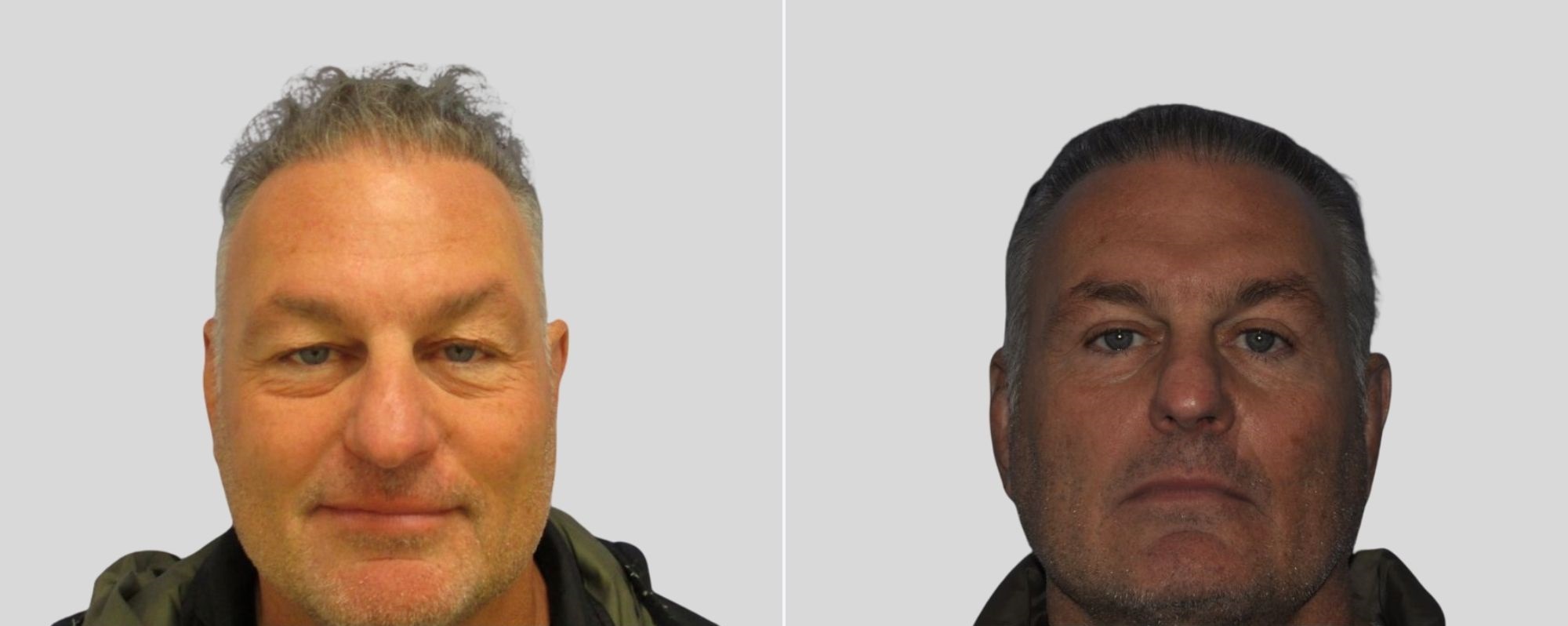
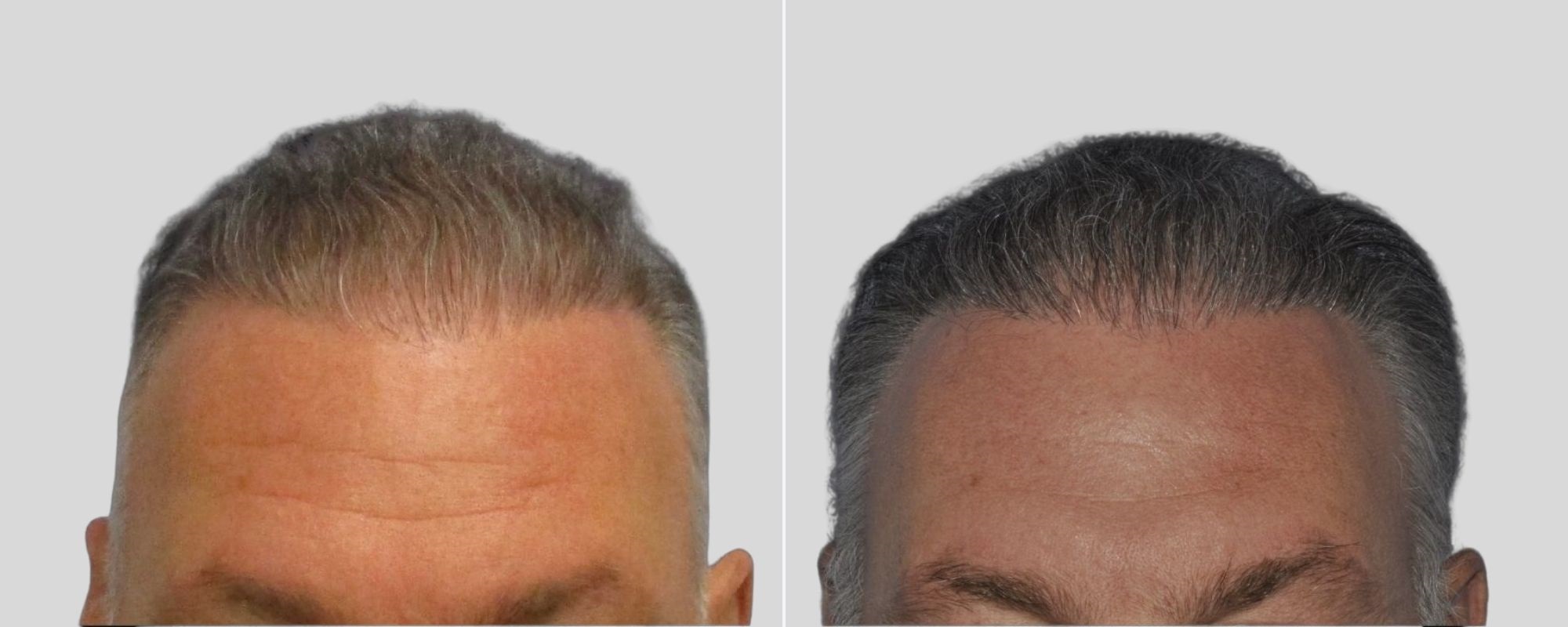
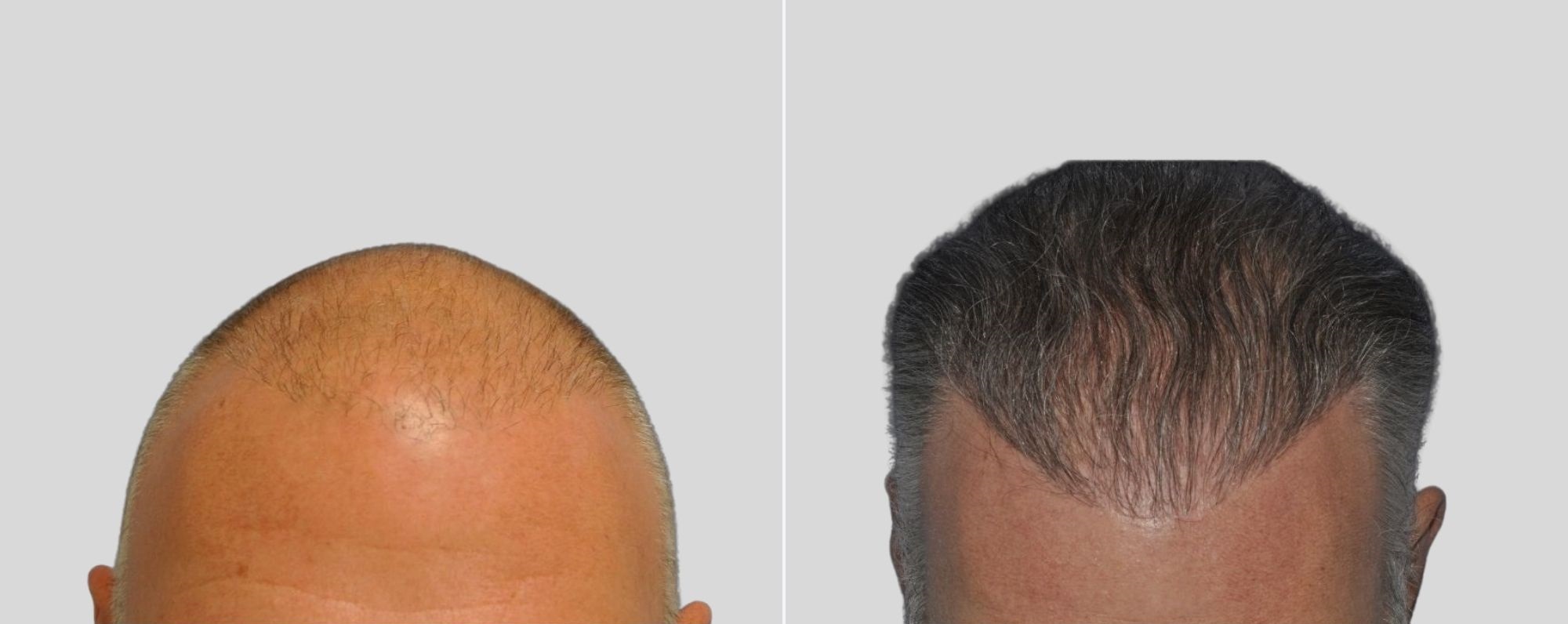
Repair Case
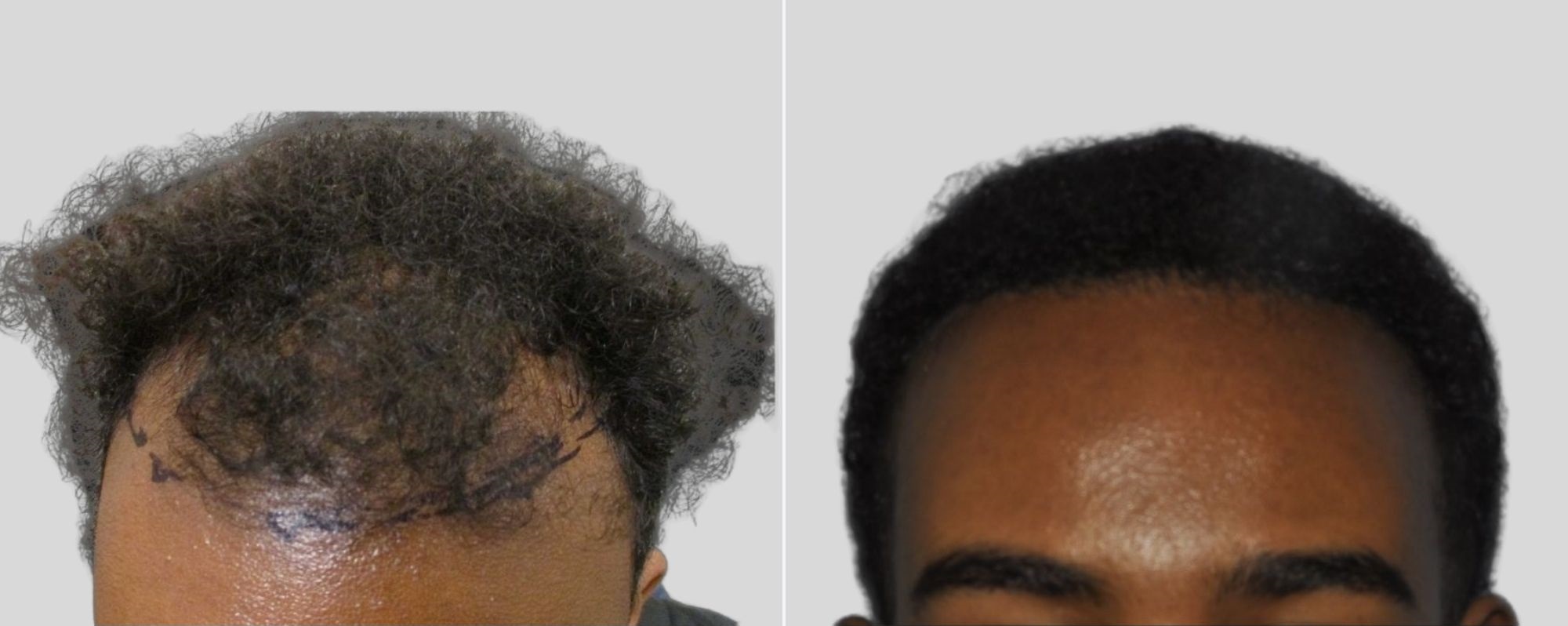
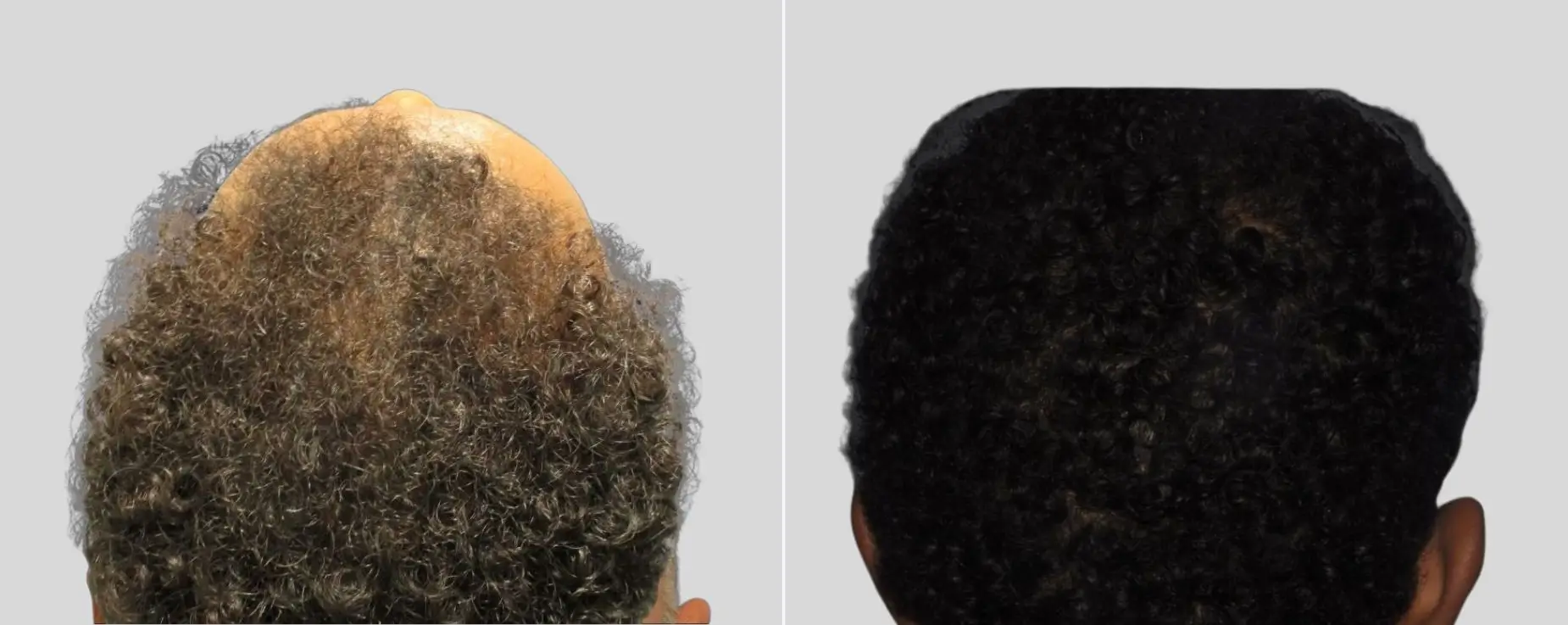
Young Male Case

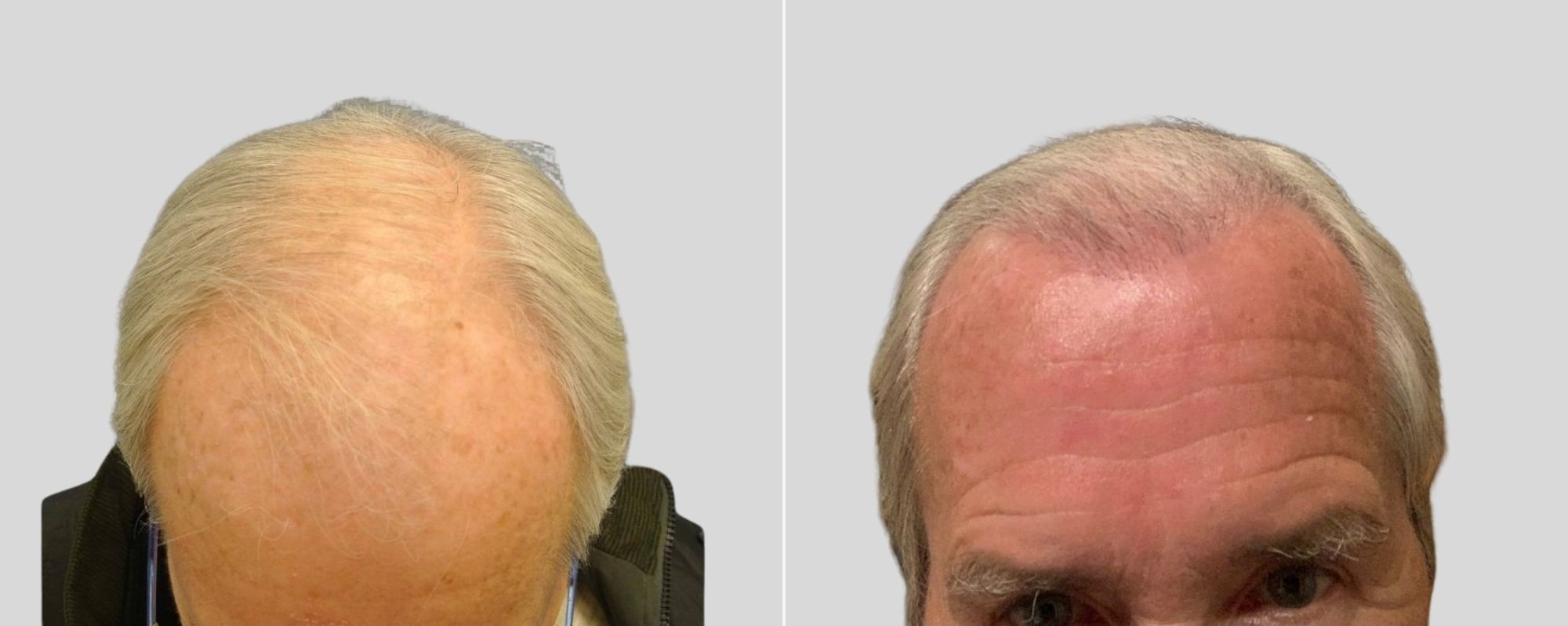
Older Male Case
Frequently Asked Questions About FUE
Modern hair transplantation is a true microscopic skilled and artistic procedure which requires only the best surgeon to achieve the natural results seen today. It involves taking hair follicles from the very back and sides of the head and strategically placing them into the thinning or balding areas of the scalp. In today’s modern age of hair restoration you should only consider the current gold standard of taking individual follicular units and placing them in a fashion which creates the fullest density and the most pleasing natural result.
Results from hair restoration truly depends on several factors which many people don’t fully appreciate. It depends largely on the supply of hair follicles in the donor area at the back of the head. The natural density of available hair will determine how many individual hairs can be placed in the balding areas. The more density you have, the more thicker and fuller the result. The hair transplant should be done ethically in which the surgeon can meet reasonable, age-appropriate results with the prudence to have enough supply of donor area for possible future loss.
FUE is an abbreviated term for Follicular Unit Extraction. It is the latest advancement in transplantation procedures whereby the surgeon can now take individual grafts using specialized tools such as the Lindsey motorized extraction device designed and created by Dr. Lindsey himself. FUE has advantages and limitations which determines whether the treatment is appropriate for the individual.
FUT is an abbreviated term for Follicular Unit Transplantation. The procedure consists of again taking hair from the donor area at the back of the scalp but the difference compare to FUE is that the donor area is taken in the form of a “strip”. This literally means cutting a long and thin section of the actual scalp after extensive anesthesia, the patient will not feel anything during this procedure.. Once extracted, the donor strip is cut into many individual follicular units using microscopic dissection techniques. As these follicular unit grafts are being prepared, the doctor makes tiny holes in the scalp, called recipient sites, where the grafts are placed. It is important to note that whilst this procedure seems much more dramatic and unfavorable vs FUE technique it does produce higher yields and more consistent results.
This is dependent on the procedure and the amount of grafts placed; strip procedures of 5,000 grafts plus can now be completed in one day, FUE procedures take much more time as it is very labor intensive as each follicular unit must be extracted skilfully ensuring no damage to the follicle occurs. typically over 1,500 grafts will require more than one day to complete to a high level.
This is dependent on the number of grafts required and the type of procedure. Full costs can be see here.